Top 7 Common Office Stains and How Pros Remove Them
Maintaining a pristine office environment is more than a matter of aesthetics—it directly impacts employee productivity, client perceptions, and overall workplace health. Offices are high-traffic spaces where spills and stains are inevitable. From coffee drips to ink smudges, these blemishes not only compromise the appearance of floors, carpets, and furniture but can also harbor bacteria and allergens. Understanding how to manage common office stains is crucial for facility managers, office administrators, and cleaning professionals who aim to create a polished, welcoming environment. The right approach ensures that stains are not only removed effectively but also that surfaces remain undamaged and hygienic.
Stain removal in offices is a nuanced process. Different materials—carpet, hardwood, laminate, tile, and upholstery—react differently to cleaning agents and methods. Professionals rely on a combination of specialized tools, cleaning solutions, and techniques to tackle specific stains efficiently. This blog explores the top seven stains most commonly encountered in office settings and explains the expert strategies used to remove them. By providing actionable insights and practical solutions, we aim to empower office managers and cleaning staff with the knowledge to handle these challenges while preserving office cleanliness and creating a professional impression for employees and visitors alike.
1. Coffee and Tea Stains
Why They’re Common
Coffee and tea are staples of most office environments, yet their dark pigments make them notorious for staining carpets, upholstery, and even office desks. Spilled beverages can seep quickly into porous materials, creating a stubborn discoloration if left untreated.
Expert Removal Techniques
Professional cleaners often start with blotting the spill immediately to prevent absorption. For carpets and upholstery, they use specialized stain removers designed for tannin-based liquids. A typical method involves applying a diluted solution of a pH-neutral detergent, followed by gentle agitation and thorough rinsing. On non-porous surfaces like desks or conference tables, warm water with mild soap and microfiber cloths can usually remove the stain without leaving residue.
Real-World Scenario
Consider a busy conference room where a coffee cup accidentally tips over a fabric chair. Quick action with a professional-grade carpet extractor or upholstery cleaner can prevent permanent discoloration, preserving both the appearance and lifespan of the furniture.
Best Practices
- Always blot instead of rubbing to avoid spreading the stain.
- Treat spills as soon as they occur for maximum effectiveness.
- Use professional-grade cleaning solutions rather than household chemicals for delicate surfaces.
2. Ink Stains
Why They’re Common
Ink stains frequently occur due to pens leaking in drawers, briefcases, or on carpets near desks. The deep pigmentation and chemical composition of ink make it difficult to remove without damaging the surrounding fabric.
Expert Removal Techniques
Professionals use targeted solvents specifically formulated to dissolve ink pigments. For carpets and textiles, pre-treatment with a safe solvent is often followed by blotting and careful rinsing to prevent color loss. On hard surfaces like wood or laminate, alcohol-based cleaners or acetone-free removers can effectively lift the stain.
Real-World Scenario
A spill from a ballpoint pen in a coworker’s bag could leave a visible mark on the carpet in a common area. Professionals typically act quickly with a spot-cleaning solution and a soft cloth to prevent permanent staining, demonstrating the value of immediate, precise action.
Best Practices
- Test solvents on a hidden area to avoid color fading.
- Avoid excessive scrubbing, which can push ink deeper into fibers.
- Consider professional cleaning for large ink spills on valuable furniture or carpets.
3. Food Stains
Why They’re Common
With office lunches and snacks, food stains on carpets, chairs, and breakroom tables are inevitable. Sauces, oils, and crumbs not only leave visible marks but can also attract insects and bacteria if not cleaned properly.
Expert Removal Techniques
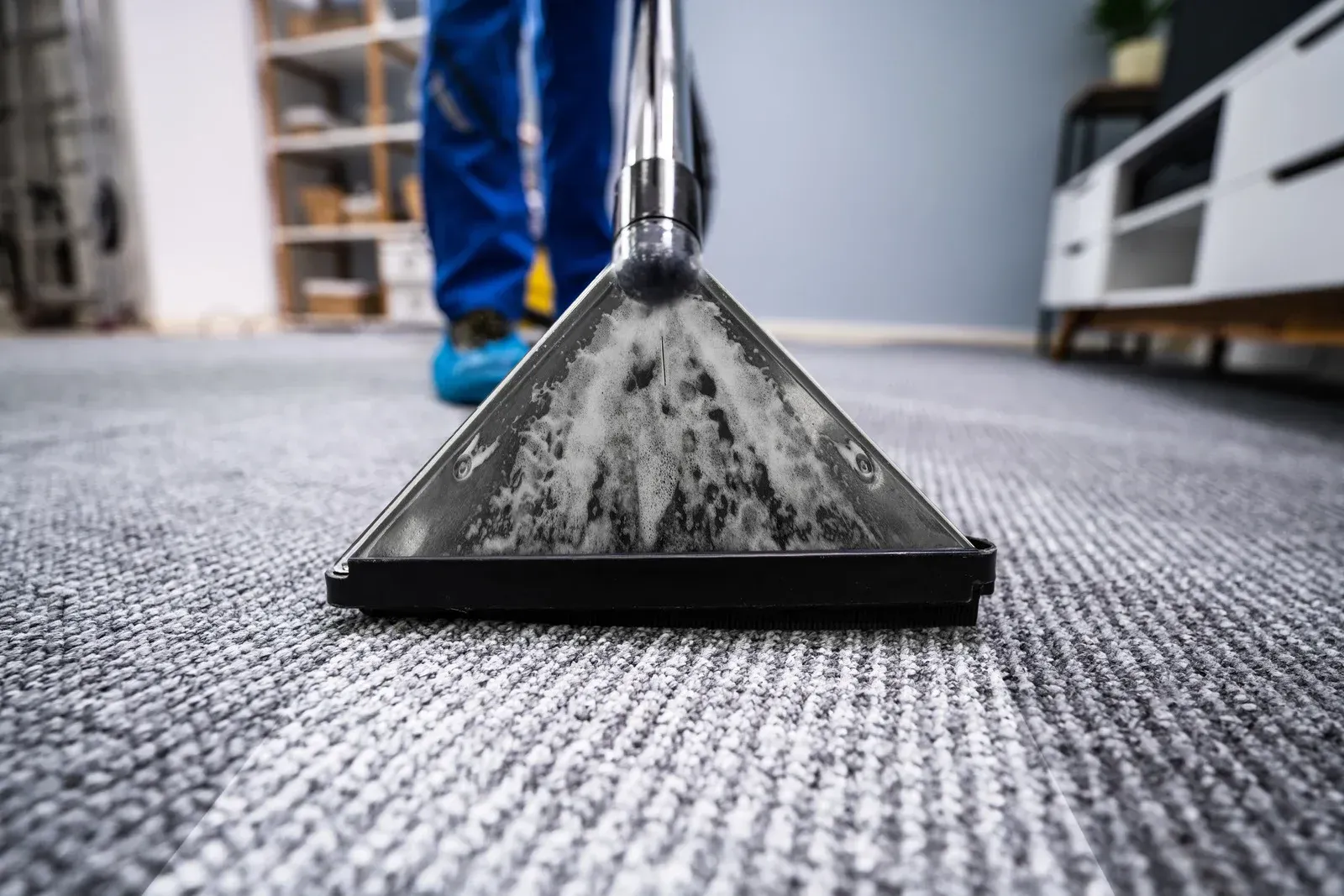
Professional cleaners often categorize food stains into oil-based or water-based. Oil-based stains (like salad dressing or greasy pizza) are treated with surfactant-based cleaners that break down the oils. Water-based stains (like juice or sauce) require a gentle detergent solution. Carpet extractors and upholstery steam cleaners are frequently used to lift food residues while ensuring the fibers are not damaged.
Real-World Scenario
A tomato sauce spill during a casual office lunch can quickly spread and stain a carpet. Using professional-grade enzymatic cleaners and hot water extraction methods ensures complete removal without leaving odors or sticky residue.
Best Practices
- Address stains promptly before they set.
- Use absorbent materials to lift excess solids or liquids before cleaning.
- Rotate cleaning methods based on the type of food stain for maximum effectiveness.
4. Inkjet and Toner Printer Stains
Why They’re Common
Modern offices rely heavily on printers and copiers. Toner and inkjet liquids can accidentally spill, leaving noticeable stains on carpets, floors, or clothing. Toner, being a fine powder, can be particularly challenging to clean.
Expert Removal Techniques
For toner spills, professionals often use a vacuum designed for fine particles before applying a mild detergent solution. Inkjet stains on fabric or carpet may require blotting with cold water and specialized cleaning solutions to avoid setting the stain. It’s essential to avoid heat during cleaning, as heat can permanently bond toner or ink to fibers.
Real-World Scenario
Imagine a copier malfunction that disperses toner on a carpeted office floor. Using a commercial vacuum and spot-cleaning solution prevents the powder from spreading and damaging the carpet fibers.
Best Practices
- Never use a household vacuum on toner; it can spread particles.
- Apply cleaning solutions sparingly to avoid oversaturating the area.
- Follow with thorough drying to prevent mold or mildew growth.
5. Ink and Marker Stains on Whiteboards and Walls
Why They’re Common
Offices with brainstorming sessions or team meetings frequently have whiteboards. Permanent markers or accidental ink contact on walls can create unsightly marks. These stains can undermine the professional appearance of office interiors if left untreated.
Expert Removal Techniques
For whiteboards, specialized cleaners and microfiber cloths are used to dissolve marker residue without scratching the surface. Walls often require gentle chemical solutions suitable for painted surfaces, followed by careful wiping. Professionals ensure that the original paint finish remains intact while fully removing stains.
Real-World Scenario
During a team brainstorming session, a permanent marker is accidentally used on a wall. Professional cleaners quickly apply a paint-safe solvent to lift the mark, restoring the office environment without damage or discoloration.
Best Practices
- Avoid abrasive scrubbing, which can damage walls or whiteboards.
- Use targeted cleaners designed for specific surfaces.
- Educate employees on marker usage and storage to reduce accidental stains.
6. Ink and Pen Stains on Clothing and Upholstery
Why They’re Common
Pen leaks in pockets, briefcases, or desks often transfer to clothing or office furniture, creating difficult-to-remove stains. These are especially problematic for high-traffic seating areas or upholstered office chairs.
Expert Removal Techniques
Professional cleaning often begins with pre-treatment using a solvent designed for inks. Upholstery cleaners may use a combination of blotting, mild detergents, and careful steam extraction to remove the stain without damaging the fabric. For clothing, specialized laundry treatments or dry-cleaning agents are employed.
Real-World Scenario
An executive chair receives a pen stain from an employee’s briefcase. Professional cleaners can lift the mark with a targeted pre-treatment and gentle steam extraction, preserving both appearance and fabric integrity.
Best Practices
- Act quickly to prevent ink from setting.
- Use blotting instead of rubbing to avoid fiber damage.
- Rotate deep cleaning schedules for high-traffic chairs and upholstery.
7. Water and Beverage Stains
Why They’re Common
Spilled water, soda, or juice can leave noticeable rings or discoloration on carpets, floors, and wooden surfaces. While water may seem harmless, minerals or additives in beverages can leave lasting marks.
Expert Removal Techniques
For carpets and upholstery, professionals often start by blotting excess liquid, followed by cleaning with a pH-neutral detergent and a hot water extraction system. On wood or laminate surfaces, a mild detergent with careful drying prevents water rings or swelling. Soda or juice may require enzymatic cleaners to break down sugars and prevent stickiness or odor.
Real-World Scenario
A spilled soda in a reception area carpet can attract dirt and stick to fibers. Professional treatment with a combination of enzymatic cleaners and extraction equipment ensures thorough stain removal while protecting carpet integrity.
Best Practices
- Promptly blot spills to prevent absorption.
- Apply cleaning solutions specific to the beverage type.
- Avoid over-wetting surfaces to prevent secondary damage such as mold or warping.
Trusted Experts at JoCo Office Cleaning LLC
Managing office stains effectively is essential to maintaining a professional and hygienic work environment. By understanding the most common stains—coffee, ink, food, toner, markers, and beverages—office managers can implement immediate response strategies and preventive measures. Expert cleaning techniques, including specialized solutions and equipment, ensure that surfaces remain pristine and undamaged while protecting the health and comfort of employees and visitors. Timely intervention, proper materials, and adherence to best practices make a significant difference in both the appearance and longevity of office furnishings.
At JoCo Office & Floor Cleaning LLC, we bring 20
years of experience in professional office cleaning across Clayton, Raleigh, Smithfield, Garner, and surrounding areas. Our team specializes in advanced stain removal, floor maintenance, and upholstery care, providing reliable, thorough services that ensure your office looks its best. With a commitment to quality and client satisfaction, we combine proven techniques with personalized attention, helping businesses maintain a spotless environment that leaves a lasting positive impression. Trust JoCo to keep your office clean, professional, and welcoming.