Understanding Hard Floor Maintenance: Stripping, Waxing, and Buffing Explained
Hard floors are a significant investment for commercial facilities, offices, schools, healthcare buildings, retail stores, and many other environments. Their appearance plays a major role in creating positive first impressions while also contributing to safety, cleanliness, and long-term property value. However, even the highest-quality flooring materials are exposed to daily foot traffic, dirt, moisture, spills, and abrasion that gradually wear down protective finishes. Without proper maintenance, hard floors can become dull, scratched, stained, and difficult to clean, leading to premature replacement costs and a less professional appearance. In busy facilities, neglected flooring can also create safety concerns and negatively impact the overall perception of the property. Maintaining hard floors properly helps protect both the visual appeal and functionality of the space over time.
To preserve both aesthetics and durability, facility managers and property owners rely on specialized hard floor maintenance procedures such as stripping, waxing, and buffing. While these terms are often used together, each process serves a distinct purpose within a comprehensive floor care program. Understanding how these services work, when they should be performed, and the benefits they provide can help organizations make informed maintenance decisions. By implementing the right strategy at the right time, businesses can extend floor life, maintain a polished appearance, reduce repair expenses, and create cleaner, more welcoming environments for employees, customers, and visitors. A structured maintenance plan also helps protect flooring investments from avoidable wear and supports a more professional atmosphere throughout the facility. When performed correctly, these services contribute to both operational efficiency and long-term cost savings.
The Foundation of Effective Hard Floor Maintenance
Why Hard Floor Care Matters
Hard flooring surfaces such as vinyl composition tile (VCT), luxury vinyl tile (LVT), linoleum, terrazzo, and certain stone floors are designed to withstand heavy use. However, durability does not mean immunity from wear. Every day, shoes track in dirt, grit, and moisture that gradually erode protective coatings and leave visible signs of damage.
Routine maintenance helps protect flooring from these damaging elements while preserving its appearance. A well-maintained floor reflects professionalism, supports a healthier environment, and reduces long-term ownership costs. In commercial settings, clean and polished floors often influence how visitors perceive the quality and credibility of an organization.
Understanding the Floor Finish
Many hard floors are protected by a finish or wax coating that acts as a sacrificial layer. Instead of allowing dirt and traffic to damage the floor material itself, the finish absorbs the wear. Over time, this coating becomes scratched, discolored, and uneven.
When the finish deteriorates, maintenance professionals must determine whether buffing, waxing, or complete stripping is necessary. Choosing the appropriate service depends on the floor's condition, traffic levels, and maintenance history.
The Cost of Neglect
Ignoring routine floor care often leads to:
- Permanent staining
- Surface scratches
- Loss of shine
- Increased cleaning difficulty
- Premature floor replacement
- Higher maintenance expenses
Preventive maintenance is almost always less expensive than repairing or replacing damaged flooring.
Stripping Floors: Resetting the Surface
What Is Floor Stripping?
Floor stripping is the process of removing old layers of wax, finish, dirt, and contaminants from a hard floor surface. It serves as a complete reset, eliminating buildup that regular cleaning cannot remove.
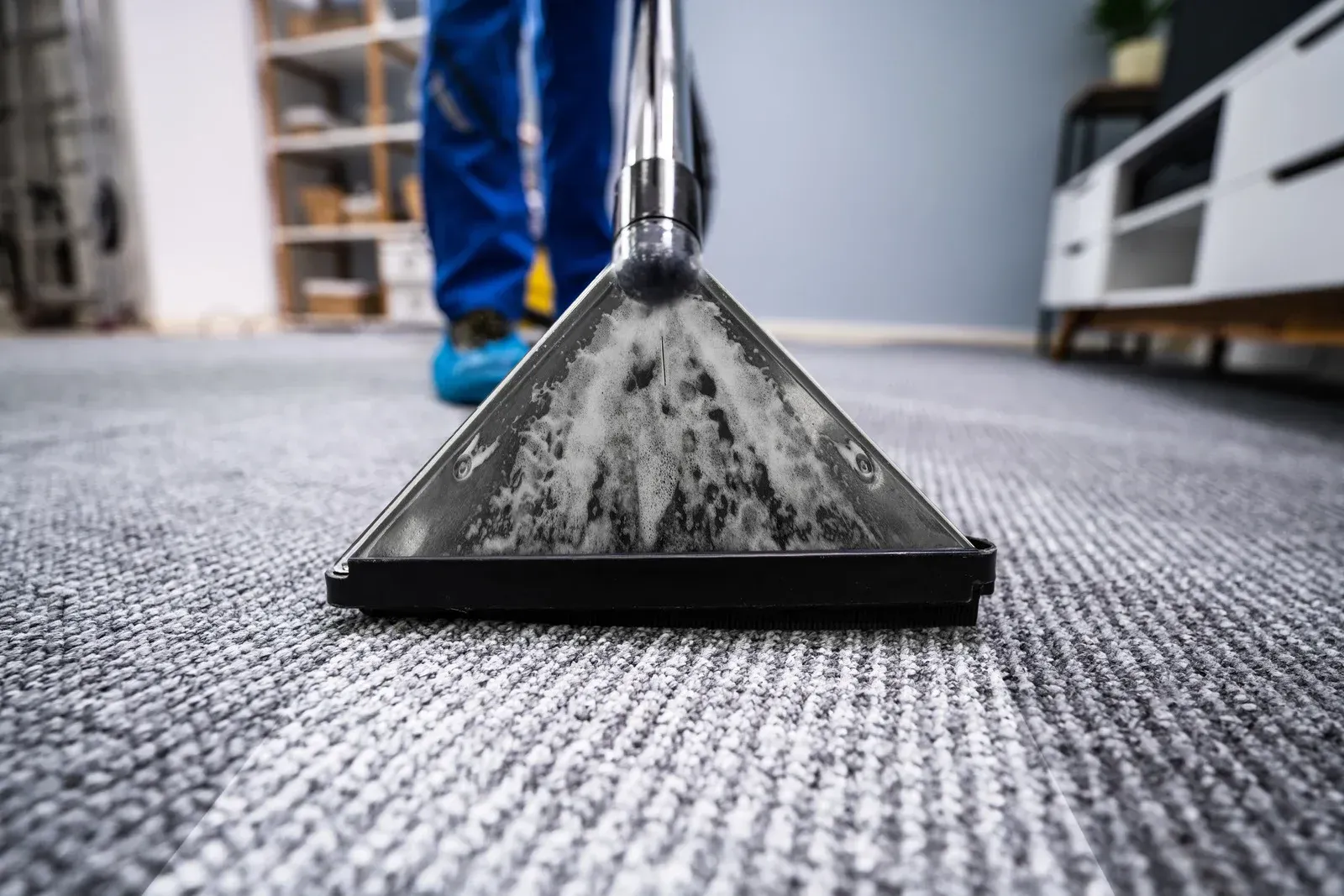
During stripping, a specialized stripping solution breaks down existing floor finish. The softened coating is then removed using professional equipment and wet vacuum systems. Once the floor is clean and dry, a new finish can be applied.
Another advantage is the ability to control cleaning frequency based on operational schedules and staffing availability. Offices operating during unconventional hours may find it easier to perform basic cleaning tasks internally without disruptions. Routine vacuuming and spot treatment can slow the buildup of debris, helping carpets maintain a presentable appearance between deeper cleaning sessions.
When Is Stripping Necessary?
Several signs indicate that stripping may be required:
- Yellowing or discoloration of the finish
- Deep scratches throughout the surface
- Uneven shine
- Embedded dirt that remains after cleaning
- Excessive buildup from multiple wax applications
High-traffic environments such as schools, retail stores, and healthcare facilities often require stripping more frequently due to constant use.
Another challenge is insufficient drying time after attempting deep cleaning with rented or basic machines. Over-wet carpets create slip hazards and encourage mold development, which can compromise workplace safety standards. Without professional training, maintenance personnel may struggle to identify the most suitable cleaning methods for different carpet materials. These limitations highlight the importance of understanding when DIY solutions are appropriate and when specialized expertise becomes necessary.
The Stripping Process
Professional floor stripping generally includes:
- Surface preparation and debris removal
- Application of stripping solution
- Agitation with floor machines
- Removal of dissolved finish
- Thorough rinsing
- Drying and inspection
Each step is critical because any remaining residue can affect the adhesion of new floor finish.
Benefits of Professional Stripping
Proper stripping restores the floor to a clean foundation. Benefits include:
- Removal of contaminants
- Improved appearance
- Better finish adhesion
- Extended floor lifespan
- Enhanced cleanliness
A stripped floor provides the ideal surface for the next stages of protection and maintenance.
Waxing Floors: Building Protection and Shine
What Is Floor Waxing?
Floor waxing refers to applying protective floor finish coatings after stripping or as part of scheduled maintenance. These coatings create a protective barrier between the floor and everyday wear.
Modern floor finishes often contain advanced polymers designed to resist scratches, stains, and scuff marks while producing an attractive shine.
How Wax Protects Flooring
The finish layer absorbs the impact of foot traffic, dirt, and furniture movement. Rather than damaging the actual floor material, these forces affect the wax coating, which can later be restored or replaced.
This protection is especially important in facilities with heavy traffic, including:
- Office buildings
- Educational institutions
- Medical facilities
- Government buildings
- Retail environments
Applying Multiple Coats
Professional waxing typically involves applying several thin coats rather than a single thick layer. Multiple coats provide:
- Greater durability
- Better appearance
- More consistent protection
- Improved resistance to wear
Each coat must dry completely before the next is applied to ensure proper bonding and performance.
Common Mistakes to Avoid
Improper waxing can create several problems:
Applying Finish Over Dirt
Any contamination trapped beneath the finish becomes visible and difficult to remove later.
Using Excessive Product
Too much finish can create uneven surfaces, streaking, and extended drying times.
Skipping Preparation
Without proper cleaning and surface preparation, the finish may fail prematurely.
Following industry best practices helps ensure a smooth, attractive, and long-lasting result.
Buffing Floors: Restoring Gloss and Appearance
What Is Floor Buffing?
Buffing is a maintenance process that restores shine to existing floor finishes without removing the entire protective coating. Using specialized machines and pads, technicians polish the floor surface to improve appearance and reduce visible wear.
Unlike stripping, buffing focuses on rejuvenating the current finish rather than replacing it.
Preventive Maintenance and Asset Longevity
As floors experience traffic, minor scratches and scuff marks develop on the finish. Buffing smooths these imperfections and enhances light reflection, producing a cleaner and shinier appearance.
The process may be performed using:
- Low-speed machines
- High-speed burnishers
- Specialized polishing pads
The chosen method depends on the floor type and desired level of gloss.
Benefits of Routine Buffing
Regular buffing offers numerous advantages:
- Restores shine
- Improves floor appearance
- Reduces visible scratches
- Extends finish life
- Delays costly stripping services
Many facilities use buffing as part of a proactive maintenance program designed to maximize floor protection.
Real-World Example
Consider a busy office lobby that experiences hundreds of visitors daily. Although routine cleaning removes dirt, foot traffic gradually dulls the finish. Instead of immediately stripping and refinishing the floor, scheduled buffing restores shine and extends the life of the protective coating.
This approach saves time, reduces disruption, and lowers maintenance costs.
Creating a Complete Hard Floor Maintenance Program
Combining Stripping, Waxing, and Buffing
The most successful floor care strategies combine all three maintenance processes. Each serves a different purpose within the flooring lifecycle.
Stripping
Removes old finish and prepares the floor for restoration.
Waxing
Builds a new protective barrier.
Buffing
Maintains appearance between major restoration services.
Together, these services create a comprehensive maintenance system that protects flooring investments.
Combining Stripping, Waxing, and Buffing
Several factors influence maintenance schedules:
- Floor material
- Building traffic levels
- Environmental conditions
- Cleaning practices
- Facility type
A retail store may require more frequent buffing than a small administrative office due to heavier foot traffic.
Seasonal Considerations
Weather conditions can significantly impact flooring.
During rainy seasons, moisture and debris increase wear. Winter months often bring salt, sand, and other contaminants that accelerate finish deterioration. Adjusting maintenance schedules based on seasonal conditions helps prevent excessive damage.
Working With Trained Professionals
Professional floor care providers understand the unique requirements of different flooring materials. Proper product selection, equipment use, and maintenance scheduling help maximize results while reducing the risk of costly mistakes.
Expert guidance ensures maintenance efforts align with manufacturer recommendations and industry standards.
Choose Expert Solutions For Long-Lasting Floor Protection
Understanding the differences between stripping, waxing, and buffing is essential for protecting hard floor investments. Each process plays a unique role in maintaining appearance, durability, and cleanliness. Stripping removes worn finishes and prepares the surface for restoration. Waxing creates a protective barrier that shields floors from daily wear. Buffing restores shine and extends the life of existing finishes. When combined within a structured maintenance plan, these services help reduce long-term costs while preserving the professional appearance of commercial and institutional facilities.
At JoCo Office & Floor Cleaning LLC, we bring 20
years of experience providing professional hard floor maintenance services throughout Clayton, North Carolina, while serving Raleigh, Smithfield, Garner, and surrounding areas. Our commitment to quality workmanship, industry best practices, and customer-focused service has helped businesses maintain cleaner, safer, and more attractive facilities. We understand that every floor faces unique challenges based on traffic levels, usage patterns, and environmental conditions. That is why we tailor maintenance solutions to meet specific facility needs rather than relying on one-size-fits-all approaches. Whether your floors require stripping, waxing, buffing, or a complete maintenance program, we deliver dependable results designed to protect your investment and preserve the appearance of your property for years to come.