Professional Carpet Cleaning vs DIY: Which Is Better for Your Office?
Maintaining a clean and hygienic office environment is essential for productivity, employee well-being, and professional image. Carpets play a major role in shaping first impressions, yet they are often one of the most overlooked elements in workplace maintenance. Over time, office carpets accumulate dust, allergens, stains, and bacteria from constant foot traffic, spills, and airborne contaminants. Without proper care, these hidden pollutants can affect indoor air quality, reduce carpet lifespan, and create an unprofessional atmosphere that may influence client perception.
Business owners and facility managers frequently face a common dilemma: should they rely on
professional carpet cleaning services or attempt do-it-yourself solutions? While DIY methods appear convenient and cost-effective at first glance, they may not always deliver the deep cleaning results required in commercial settings. On the other hand, professional cleaning involves specialized equipment, advanced techniques, and industry expertise designed to restore carpet performance and appearance. Understanding the differences between these approaches is crucial for making informed maintenance decisions. By evaluating effectiveness, cost implications, time investment, and long-term benefits, organizations can determine the most suitable cleaning strategy to maintain healthier, more attractive, and more efficient workspaces.
Understanding Office Carpet Cleaning Needs
High-Traffic Challenges in Commercial Spaces
Office carpets endure far greater wear and tear than residential flooring in busy professional environments. Employees, clients, delivery personnel, and visitors constantly move through hallways, conference rooms, and reception areas throughout the workday. This repeated movement embeds dirt particles deep into carpet fibers, leading to gradual discoloration and material degradation over time. Unlike surface dust, these contaminants require thorough extraction techniques to prevent long-term damage and premature replacement.
High-traffic zones are also more prone to spills, moisture accumulation, and debris buildup from everyday office activities. Coffee stains, mud from outdoor shoes, and accidental food drops contribute to persistent odors and bacteria growth if ignored. Over time, neglected carpets may lose their texture and cushioning properties, creating an uncomfortable walking experience for staff. Regular maintenance is therefore not just about aesthetics but also about preserving workplace safety and comfort consistently.
Health and Indoor Air Quality Considerations
Carpets act as filters that trap airborne particles such as pollen, dust mites, and microbial pollutants circulating indoors. While this function initially improves air quality, excessive accumulation can lead to respiratory discomfort or allergic reactions among employees. In shared office environments, these risks are amplified due to increased occupancy levels and limited ventilation efficiency.
Effective carpet cleaning helps remove trapped contaminants before they circulate back into the air during daily movement. A structured cleaning schedule supports healthier work conditions and reduces the likelihood of employee absenteeism caused by environmental irritants. Maintaining hygienic flooring demonstrates a commitment to workplace wellness and aligns with broader facility management goals effectively.
DIY Carpet Cleaning: Advantages and Limitations
Cost Savings and Immediate Convenience
DIY carpet cleaning methods appeal to organizations seeking quick solutions with minimal upfront expense and planning requirements. Renting carpet cleaning machines or using over-the-counter cleaning solutions allows maintenance staff to address visible stains promptly. This flexibility can be particularly useful for handling minor spills or localized issues in low-traffic zones.
Another advantage is the ability to control cleaning frequency based on operational schedules and staffing availability. Offices operating during unconventional hours may find it easier to perform basic cleaning tasks internally without disruptions. Routine vacuuming and spot treatment can slow the buildup of debris, helping carpets maintain a presentable appearance between deeper cleaning sessions.
Inconsistent Results and Potential Risks
Despite apparent benefits, DIY cleaning often falls short in commercial environments with heavy daily foot traffic. Consumer-grade equipment lacks the power required to extract deeply embedded dirt or excessive moisture effectively. As a result, residues may remain within fibers, causing rapid re-soiling and unpleasant odors shortly afterward. Improper chemical usage can also lead to discoloration or fiber damage, increasing replacement costs significantly.
Another challenge is insufficient drying time after attempting deep cleaning with rented or basic machines. Over-wet carpets create slip hazards and encourage mold development, which can compromise workplace safety standards. Without professional training, maintenance personnel may struggle to identify the most suitable cleaning methods for different carpet materials. These limitations highlight the importance of understanding when DIY solutions are appropriate and when specialized expertise becomes necessary.
Professional Carpet Cleaning: Techniques and Benefits
Advanced Equipment and Industry Methods
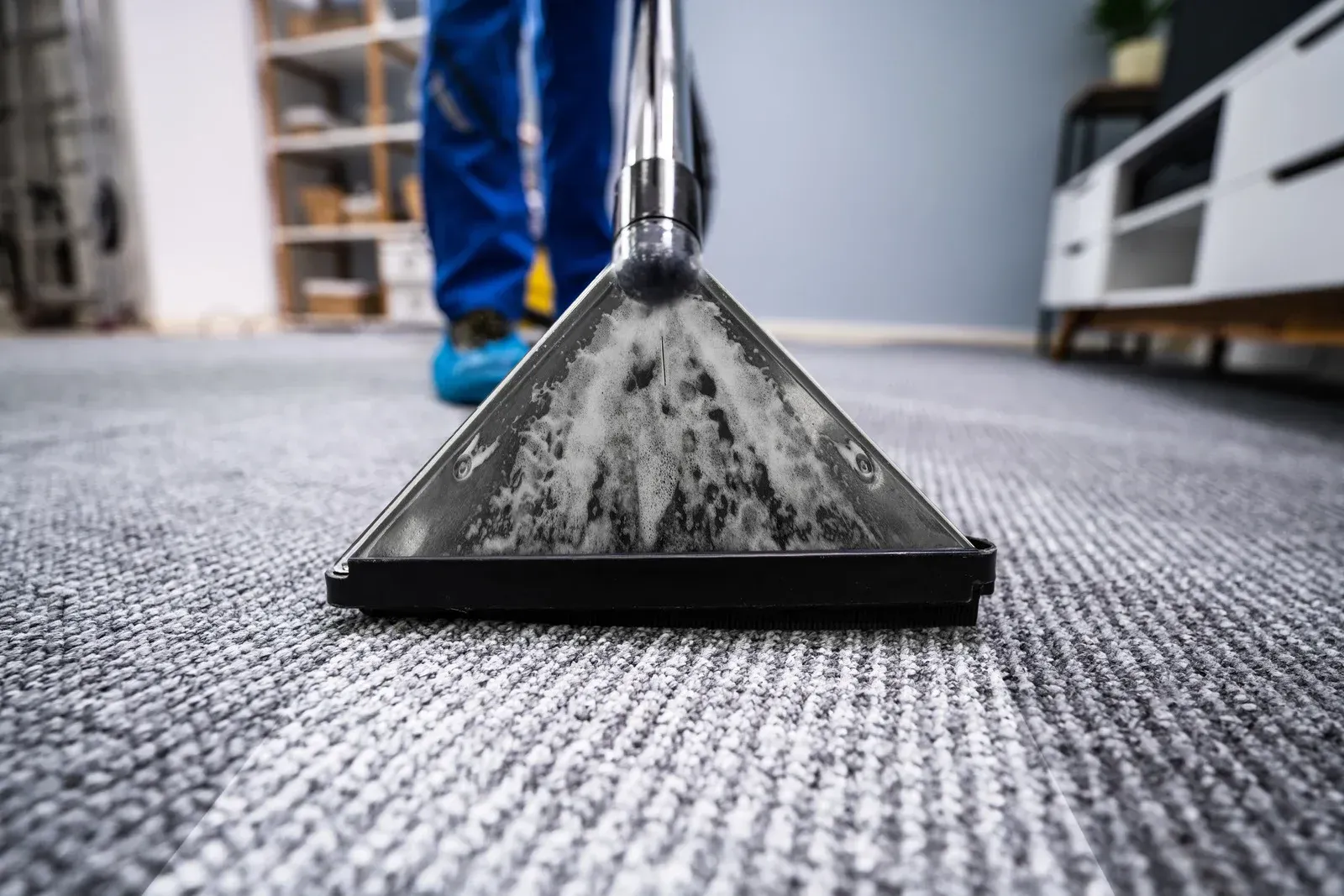
Professional carpet cleaning services utilize high-performance machinery designed for commercial applications across diverse industries. Hot water extraction, encapsulation cleaning, and low-moisture systems deliver deeper penetration and more effective contaminant removal in demanding environments. These methods restore carpet texture, enhance color vibrancy, and extend flooring lifespan while maintaining structural fiber integrity.
Technicians also conduct pre-inspections to determine fiber composition, stain types, and traffic patterns before starting work. This analysis enables tailored treatment strategies that optimize cleaning outcomes for specific workplace conditions. By applying controlled pressure, temperature, and chemical ratios, professionals minimize the risk of damage while achieving superior sanitation levels consistently.
Time Efficiency and Minimal Workplace Disruption
Outsourcing carpet cleaning can significantly reduce operational downtime in fast-paced commercial office environments. Professional teams complete large-scale cleaning tasks quickly, allowing employees to resume work with minimal interruption or inconvenience. Many providers offer after-hours scheduling to accommodate business continuity requirements and operational flexibility.
Additionally, rapid drying technologies enable carpets to return to normal use sooner without compromising cleaning effectiveness. This efficiency supports safety compliance and prevents productivity losses associated with restricted workspace access or workflow disruptions. Over time, consistent professional maintenance helps organizations avoid emergency replacements and maintain a polished corporate image.
Cost Comparison: Short-Term Savings vs Long-Term Value
Evaluating Immediate Expenses
At first glance, DIY carpet cleaning appears more economical due to lower equipment rental fees and cleaning solution costs initially. Small offices with limited carpeted areas may benefit from occasional self-managed cleaning routines for surface-level maintenance needs. However, these initial savings can be misleading when deeper maintenance needs are considered over time.
Hidden expenses often include repeated cleaning attempts, additional chemical purchases, and labor hours diverted from core responsibilities unnecessarily. Frequent machine rentals may also accumulate costs comparable to professional services without delivering equivalent results or efficiency. Understanding the full financial picture requires assessing both direct and indirect expenditures carefully.
Preventive Maintenance and Asset Longevity
Professional carpet cleaning functions as a preventive investment rather than a reactive expense in commercial facility management planning. By removing abrasive particles that weaken fibers, regular deep cleaning reduces premature wear and structural deterioration risks. This preservation extends carpet service life and postpones costly replacement projects that disrupt budgets.
Furthermore, well-maintained carpets contribute to consistent brand perception and client confidence during important business interactions. A clean workspace signals organizational attention to detail, reinforcing trust during meetings, presentations, or routine site visits. When evaluating cost-effectiveness, decision-makers should consider not only cleaning fees but also long-term facility management benefits.
Choosing the Right Approach for Your Office
Assessing Workplace Size and Usage Patterns
Selecting between professional and DIY carpet cleaning depends on multiple operational factors unique to each workplace. Large offices with high occupancy levels typically require professional intervention to maintain hygiene standards effectively. Conversely, smaller workplaces may adopt hybrid strategies combining routine in-house care with periodic expert services.
Facility managers should evaluate carpet age, material type, and traffic distribution when planning maintenance schedules strategically. High-impact zones such as entrances and collaborative areas may demand more frequent deep cleaning than private offices. Aligning cleaning frequency with usage intensity ensures consistent performance, appearance, and long-term durability outcomes.
Best Practices for Sustainable Carpet Maintenance
A proactive maintenance plan enhances cleaning outcomes regardless of the chosen method implemented by organizations. Daily vacuuming using commercial-grade equipment helps prevent dirt accumulation and fiber degradation significantly. Prompt stain treatment minimizes permanent damage, while entrance mat systems reduce debris transfer from outdoor environments effectively.
Organizations can also implement employee awareness initiatives encouraging responsible behavior, such as reporting spills immediately without delay. Combining preventive measures with professional expertise creates a balanced strategy that supports both cost control and workplace health. Ultimately, informed decision-making empowers businesses to protect flooring investments while maintaining productive, comfortable environments.
Reliable Office Cleaning Professionals Enhancing Workplace Flooring Performance
For businesses seeking reliable carpet care solutions, experience and consistency make a meaningful difference. At JoCo Office & Floor Cleaning LLC, we understand the unique challenges offices face when maintaining clean, healthy flooring in high-traffic environments. With 20 years of industry expertise, we provide professional cleaning services designed to support workplace hygiene, enhance carpet longevity, and improve overall appearance.
Serving Clayton, Raleigh, Smithfield, Garner, and surrounding areas, we focus on delivering tailored cleaning strategies that align with operational schedules and facility needs. Our approach combines advanced equipment, proven cleaning techniques, and a strong commitment to customer satisfaction. Whether addressing deeply embedded contaminants or restoring carpets affected by daily wear, we prioritize thorough, efficient results that minimize disruption.
We believe that a well-maintained office environment reflects organizational professionalism and care for employee well-being. By choosing our services, businesses gain a trusted partner dedicated to preserving flooring investments and supporting healthier indoor spaces. Our long-standing reputation is built on reliability, attention to detail, and consistent performance, making us a dependable choice for organizations that value quality and long-term facility excellence.