Why Deep Carpet Cleaning Is Essential for a Healthy Workplace
Workplace cleanliness plays a vital role in shaping employee health, productivity, and overall business performance. While visible surfaces such as desks, windows, and reception areas often receive routine attention, carpets frequently remain overlooked despite acting as significant reservoirs for dust, allergens, and microorganisms. In high-traffic commercial environments, carpet fibers continuously trap pollutants carried in on shoes, office equipment, and circulating air systems. Over time, these contaminants accumulate beneath the surface, potentially compromising indoor air quality and creating an environment that affects employee comfort and wellbeing. Addressing this hidden challenge through deep carpet cleaning helps maintain a healthier workspace and supports operational efficiency.
As organizations increasingly prioritize workplace wellness and sustainability, the importance of professional carpet maintenance has gained recognition across industries. Deep cleaning methods go beyond superficial vacuuming by removing embedded debris, neutralizing odors, and restoring carpet longevity. This proactive approach not only enhances workplace aesthetics but also minimizes long-term maintenance costs and health-related disruptions. By understanding the impact of carpet hygiene on daily operations, businesses can implement effective cleaning strategies that align with safety standards and employee expectations. Investing in deep carpet cleaning reflects a commitment to creating a professional, hygienic environment where employees can perform confidently and visitors form positive impressions.
Understanding Workplace Carpet Contamination
Hidden Pollutants Beneath the Surface
Carpets in commercial environments function as large filtration systems, capturing airborne particles that settle into fibers throughout the workday. Dust, pollen, mold spores, bacteria, and chemical residues from cleaning agents or office equipment gradually build up, often remaining undetected until noticeable odors or visible stains appear. Standard vacuuming removes surface debris but cannot fully address deeply embedded contaminants. Over time, these pollutants contribute to reduced indoor air quality, potentially triggering respiratory discomfort and allergic reactions among employees.
The issue becomes more pronounced in workplaces with constant foot traffic, such as corporate offices, medical facilities, educational institutions, and retail environments. Moisture from wet shoes or spills can further accelerate microbial growth within carpet padding. Without periodic deep cleaning, this hidden buildup may compromise workplace hygiene standards and lead to premature carpet deterioration. Recognizing carpets as high-impact surfaces requiring specialized care helps organizations maintain a healthier indoor ecosystem.
Impact on Indoor Air Quality
Poor carpet hygiene can directly influence the quality of air circulating within enclosed workspaces. When contaminants become disturbed by movement or air currents, they re-enter the breathing zone, contributing to fatigue, headaches, or reduced concentration levels. Employees working in such environments may experience subtle declines in productivity without immediately identifying the underlying cause. Deep carpet cleaning removes trapped particles, promoting cleaner air circulation and supporting employee comfort. This proactive measure aligns with broader occupational health initiatives aimed at creating safe, high-performing workplaces.
Health and Productivity Benefits
Reducing Allergens and Microbial Exposure
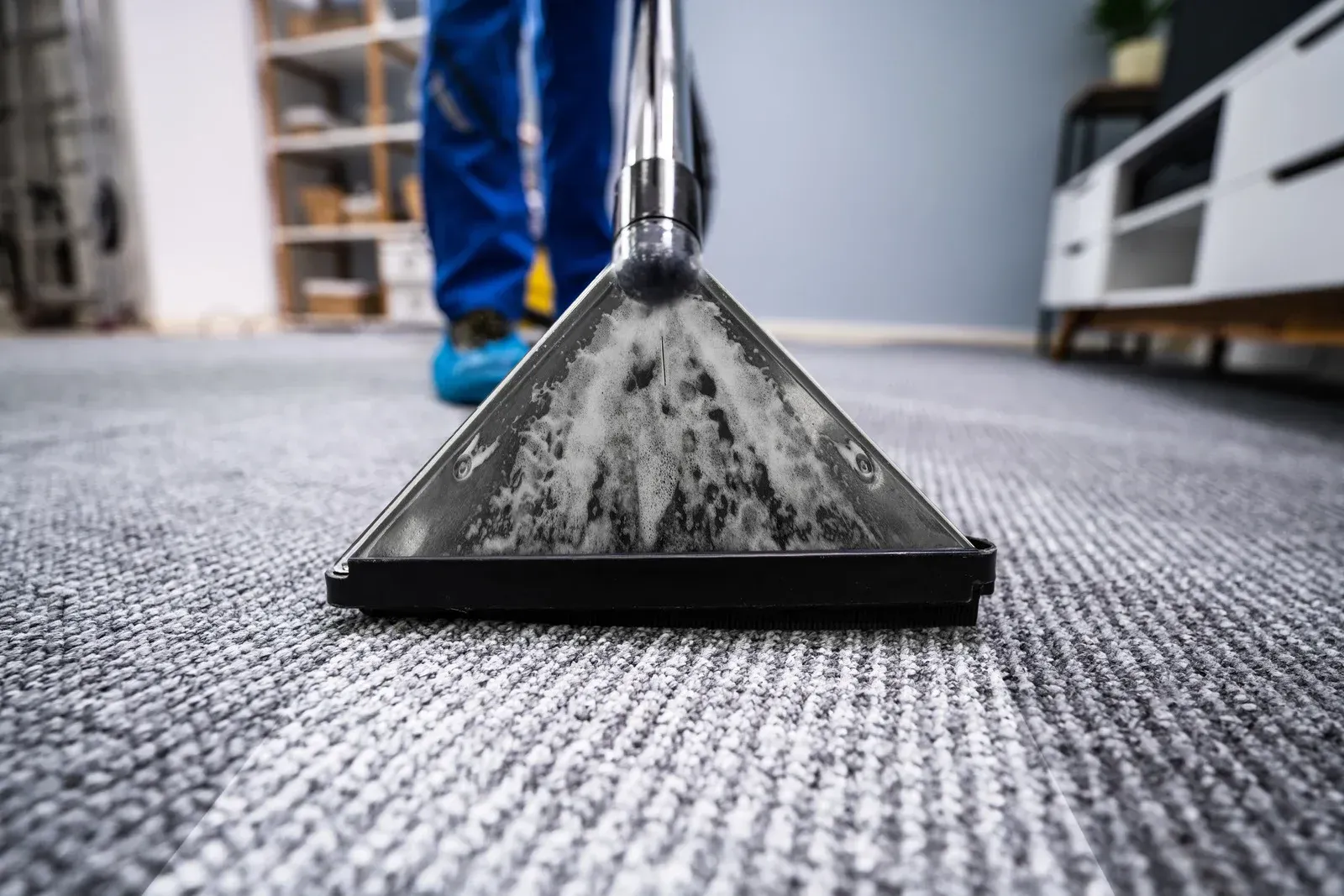
Maintaining hygienic carpets plays an important role in reducing exposure to allergens and microorganisms that may affect workforce wellbeing. Deep cleaning methods such as hot water extraction or low-moisture encapsulation effectively break down stubborn residues and neutralize microbial colonies. These processes reach beyond the visible layer, addressing contaminants embedded within carpet backing and padding.
Organizations that prioritize thorough carpet maintenance often report fewer employee complaints related to air quality or environmental discomfort. While carpet hygiene alone cannot eliminate all workplace health concerns, it significantly contributes to creating a supportive environment where individuals can focus on tasks without distraction. Consistent deep cleaning schedules help minimize the risk of odor development and cross-contamination, particularly in shared office spaces or collaborative work zones.
Supporting Workforce Performance
Employee performance is closely linked to environmental conditions. Clean, fresh-smelling carpets contribute to psychological comfort and reinforce perceptions of professionalism. Workers who feel confident about the cleanliness of their surroundings are more likely to remain engaged and motivated throughout the day. In contrast, neglected carpets with visible stains or lingering odors can undermine morale and negatively influence workplace culture.
By integrating deep carpet cleaning into facility management strategies, businesses demonstrate a commitment to employee wellbeing and operational excellence. This investment supports sustained productivity, reduces downtime associated with health-related absences, and enhances overall organizational performance. Over time, maintaining a hygienic workspace becomes a competitive advantage that strengthens internal and external stakeholder confidence.
Extending Carpet Lifespan and Protecting Investments
Preventing Fiber Damage
Commercial carpeting represents a substantial financial investment, making its preservation a priority for facility managers. Dirt particles embedded within fibers act as abrasives, gradually wearing down carpet structure as employees walk across the surface. This friction accelerates fading, matting, and thinning, ultimately requiring premature replacement. Deep cleaning removes these damaging particles, restoring fiber resilience and maintaining carpet appearance.
Routine professional maintenance helps businesses avoid unexpected capital expenditures associated with large-scale carpet replacement projects. Instead of reacting to visible deterioration, organizations can adopt preventive strategies that maximize asset value. Extending carpet lifespan also supports sustainability initiatives by reducing material waste and minimizing the environmental impact of disposal and manufacturing.
Maintaining Brand Image
Workplace aesthetics influence how employees, clients, and visitors perceive organizational standards. Clean carpets contribute to a polished, professional atmosphere that reflects attention to detail. In client-facing environments, such as conference rooms or reception areas, well-maintained flooring reinforces trust and credibility. Conversely, neglected carpets may create impressions of disorganization or insufficient care.
Deep carpet cleaning ensures that high-traffic zones remain visually appealing and consistent with brand identity. This approach supports marketing objectives by aligning physical workspace conditions with organizational messaging about quality and reliability. Investing in carpet maintenance is therefore not merely a housekeeping task but a strategic decision that safeguards reputation and enhances customer experiences.
Best Practices for Effective Deep Carpet Cleaning
Scheduling and Frequency Considerations
Determining the appropriate frequency for deep carpet cleaning depends on several factors, including foot traffic levels, workplace layout, and industry-specific hygiene requirements. Offices with moderate activity may benefit from semiannual deep cleaning, while high-traffic facilities often require quarterly or even monthly interventions. Regular assessments help identify emerging problem areas before they escalate into costly issues.
Developing a structured maintenance plan ensures consistency and accountability. By documenting cleaning schedules and monitoring outcomes, organizations can evaluate effectiveness and adjust strategies accordingly. Integrating carpet care with broader facility management programs promotes efficiency and supports compliance with workplace health standards.
Choosing Professional Techniques
Modern deep cleaning technologies offer diverse solutions tailored to specific carpet materials and environmental needs. Hot water extraction remains a widely recognized method for removing deeply embedded contaminants, while encapsulation techniques provide quicker drying times for operational continuity. Selecting appropriate equipment and cleaning agents requires expertise to prevent over-wetting or chemical residue buildup.
Engaging trained professionals ensures that cleaning procedures align with manufacturer guidelines and industry best practices. Proper execution reduces risks associated with shrinkage, discoloration, or fiber damage. By prioritizing informed decision-making, organizations can achieve optimal cleaning outcomes while preserving carpet integrity and workplace safety.
Addressing Common Challenges and Misconceptions
Managing Operational Disruptions
One concern frequently associated with deep carpet cleaning involves potential interruptions to daily business activities. Extended drying periods or restricted access to certain areas may appear inconvenient at first glance. However, strategic scheduling during off-peak hours or weekends can minimize disruption and maintain workflow continuity. Advanced equipment designed for rapid moisture extraction further reduces downtime.
Understanding that temporary adjustments lead to long-term benefits helps stakeholders view carpet maintenance as an essential operational investment rather than an avoidable inconvenience. Transparent communication about cleaning timelines and safety precautions fosters cooperation and ensures smooth implementation.
Dispelling Myths About Surface Cleanliness
Another misconception involves the belief that routine vacuuming alone suffices to maintain carpet hygiene. While vacuuming is important for day-to-day upkeep, it cannot replace the deep extraction of contaminants embedded within carpet layers. Relying solely on superficial cleaning methods may create a false sense of security, allowing microbial growth and odor development to persist unnoticed.
Educational initiatives that highlight the limitations of surface cleaning encourage informed decision-making among facility managers and employees. By recognizing the distinction between maintenance and deep restoration, organizations can implement comprehensive strategies that truly support workplace health. Embracing evidence-based cleaning practices reinforces a culture of accountability and continuous improvement.
Skilled Commercial Cleaning Authorities Enhancing Workplace Environment Standards
Deep carpet cleaning represents a critical component of maintaining a healthy, productive workplace. By removing hidden contaminants, improving indoor air quality, and extending carpet lifespan, this practice delivers measurable benefits that support employee wellbeing and operational efficiency. Clean carpets also contribute to professional aesthetics, reinforcing organizational credibility and creating positive experiences for staff and visitors alike. Addressing common challenges through structured planning and expert techniques ensures that cleaning initiatives achieve lasting results. Over time, consistent deep cleaning also helps reduce unexpected maintenance expenses and supports sustainability efforts by preserving flooring materials. Prioritizing carpet hygiene reflects a forward-thinking approach to workplace management that balances comfort, safety, and long-term operational performance.
Organizations seeking reliable carpet maintenance solutions can depend on JoCo Office & Floor Cleaning LLC, proudly serving Clayton, Raleigh, Smithfield, Garner, and surrounding communities. With 20
years of experience, commitment to industry best practices, and focus on workplace health, our services help businesses maintain hygienic environments that promote performance, confidence, and long-term value. Our tailored cleaning strategies address the specific needs of diverse commercial spaces, ensuring minimal disruption and maximum effectiveness. By combining advanced techniques with consistent service standards, we help create workspaces that leave lasting positive impressions on employees, clients, and visitors alike.